
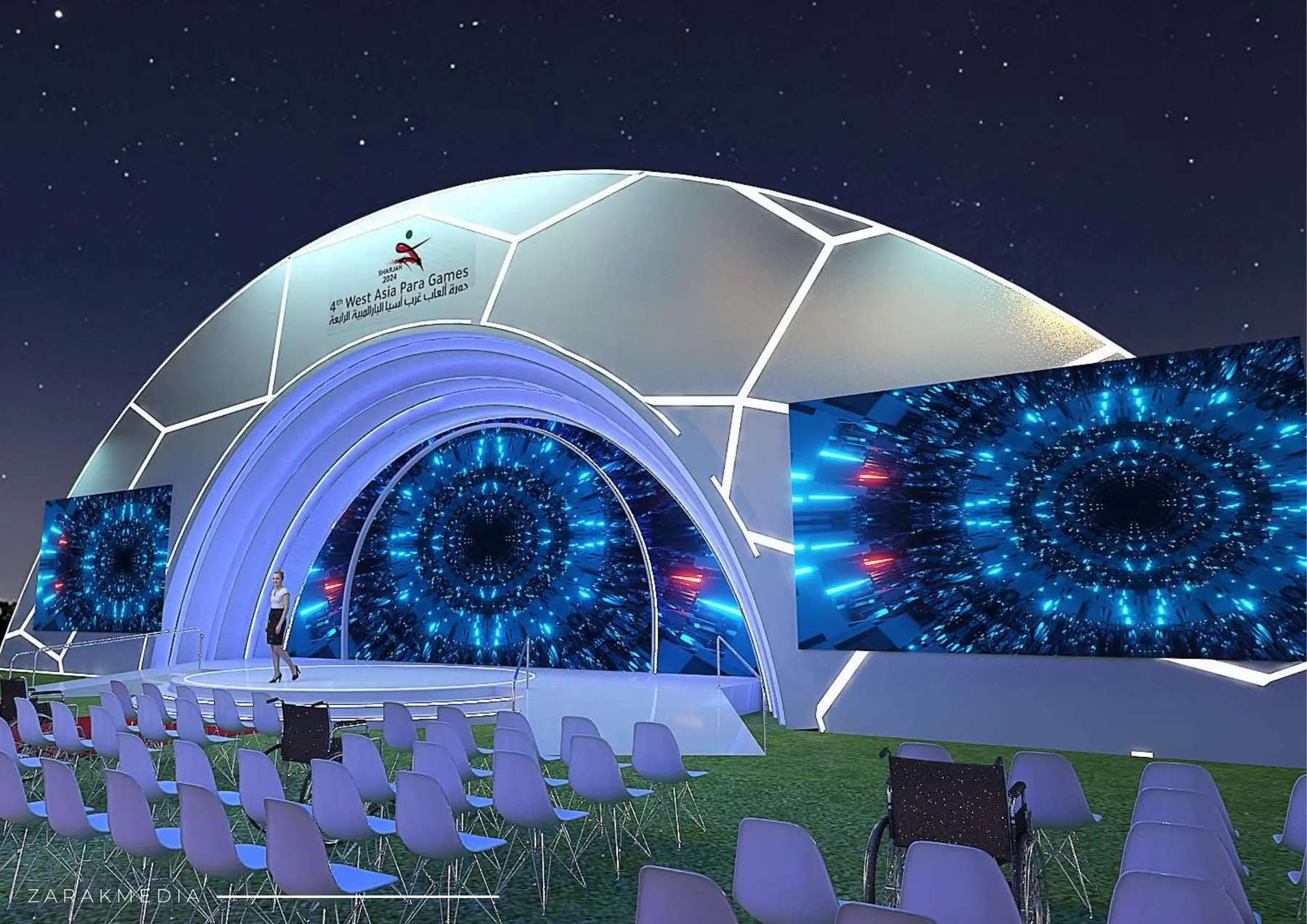
The build type is the biggest decision you make about an exhibition stand, ahead of any feature or finish. A custom stand is designed and built for one brand and one space. A modular stand uses reusable frames you reconfigure show after show. A double-decker adds a second storey. Each suits a different mix of budget, frequency and floor size, and choosing the right one is where most of the value, or the waste, sits.
The three build types, explained
Before comparing cost, it helps to be clear about what each type actually is, because the words get used loosely.
- Custom (bespoke): designed from scratch for your brand and your space, fabricated as a one-off, and usually dismantled and scrapped after the show. Maximum freedom, maximum cost.
- Modular: built from a reusable system of frames, panels and connectors that can be arranged into different shapes and sizes. You own or rent the kit and reconfigure it for each show. The structure is reused; the graphics are refreshed.
- Double-decker: a custom or hybrid stand with a second storey. It is a format rather than a separate system, and it can be built in custom or modular ways.

Custom: when it is worth it
A custom stand is the right choice when the stand has a job only a bespoke design can do: a signature brand moment, an unusual shape, a product that needs a purpose-built setting, or a flagship presence at a show that matters to your business. Because every element is designed around you, a custom stand can look like nothing else in the hall, which is exactly the point at a major show.
The trade-off is cost and reuse. You pay for design and fabrication each time, and a stand built for one floor plan rarely fits the next. If you exhibit once a year and the appearance carries real weight, that cost can be justified. If you exhibit often, paying to rebuild from scratch each time is the most expensive way to do it.
Modular: the reuse economics
Modular is where the money is saved. The structure is an asset you use again, so your cost per show falls each time you exhibit. A Gulf News report on the UAE events industry captured the gap with one exhibitor's figures: a roughly US$150,000 custom build against about US$15,000 to reassemble a modular design for a later show.
Modern modular systems are a long way from the plain pop-up banners people picture. With good graphics, proper lighting and a feature element, a modular stand reads as bespoke to a visitor, while behind the panels it is a kit you will use again. For brands that exhibit three or more times a year, this is almost always the lowest total cost, and the easiest to plan around.
Double-decker: when a second storey pays
A double-decker answers a specific problem: you need more usable space than your floor allows, or floor space is so expensive that building upward is cheaper than renting more of it. The upper deck typically becomes meeting rooms, a hospitality area or a quiet space to do business, while the ground floor stays open for traffic.
It is not a small step. A second storey brings structural engineering, load and safety approvals, a staircase, longer build time and often rigging. It belongs on large stands with a real need for the space and a budget to match, not on a modest footprint where a single level used well would do more.
How the three compare
| Type | Best for | Cost per show | Reusable? | Design freedom |
|---|---|---|---|---|
| Custom | Flagship, one-off statement stands | Highest | Rarely | Total |
| Modular | Regular exhibitors, multi-show years | Lower, and falls with reuse | Yes | High, within the system |
| Modular + custom graphics | Best value for most brands | Mid, with strong reuse | Yes | High |
| Double-decker | Large stands needing more space | High | Partly | High |
Reuse, storage and the total-cost view
The single most expensive habit in exhibiting is building a new stand every time. If you exhibit more than once a year, design for reuse from the start: a modular core, graphics that can be reprinted, and a storage plan between shows. Designing for reuse costs a little more upfront and far less across twelve months, and it turns your stand from an expense you repeat into an asset you maintain.
Storage is the part people forget. A reusable stand needs somewhere to live between shows and a team that knows how to pack, store and refurbish it. Factor that in, and modular still wins for regular exhibitors; ignore it, and the savings leak away.
Does the show change the right stand type?
The show and the venue nudge the decision as much as your own plans. At a flagship technology or food show like GITEX or Gulfood, where the hall is vast and the competition fierce, a larger custom or double-decker presence can be justified because standing out is harder and the stakes are higher. At a focused specialist show, a smart modular stand often does everything you need, because the audience is already the right one and you are not fighting a thousand neighbours for a glance.
Venue rules matter too. Height limits, rigging policies and build-time windows differ between Dubai World Trade Centre, the Dubai Exhibition Centre at Expo City and the regional venues, and they can make a double-decker or a heavy custom build easier at one show than another. If you exhibit at several shows a year across different venues, a modular system that adapts to each floor plan is the most forgiving choice, because one kit flexes to fit rather than forcing a fresh build for every set of rules.
Rent or own your modular stand
If modular suits you, there is a second choice: rent the system or own it. Renting suits a brand testing the water or exhibiting occasionally, with no storage to manage and no capital tied up, though you pay a rental each show and have less control over the exact kit. Owning suits a brand with a settled exhibiting calendar: the cost per show keeps falling, the stand is always available, and you can refine it over time, in exchange for storing and maintaining it between shows. Many brands start by renting, then buy once their yearly schedule is clear and the sums favour owning.
Common mistakes with each type
Each build type fails in a predictable way, and knowing the trap is half of avoiding it.
- Custom, overbuilt: spending on bespoke structure that is admired once and then scrapped, when the same impact could have come from lighting, graphics and one strong feature on a reusable base.
- Modular, under-finished: treating a modular stand as a budget shortcut and skimping on graphics and lighting, so it looks like a kit instead of a brand. The system should be invisible; the finish is what sells.
- Double-decker, too soon: adding a second storey on a footprint that does not need it, paying for engineering and approvals for space that stays empty. Fill one level well before you build another.
How to decide
Work through three questions in order:
- How often will you exhibit in the next year? Once, and the stand is a statement: custom is defensible. Several times: modular.
- What has to happen on the stand? Demos, meetings, hospitality or a signature moment all shape the format, and a need for private space upstairs is what justifies a double-decker.
- What is your floor size and position? A tight, expensive floor can make building upward sensible; a generous floor rarely needs it.
For the budget behind each option, see how much an exhibition stand costs in Dubai, and to choose who builds it, read how to choose an exhibition stand contractor. When you want a team that designs and builds either way under one roof, our exhibition stand design and build page shows how we work.
No comments yet.