
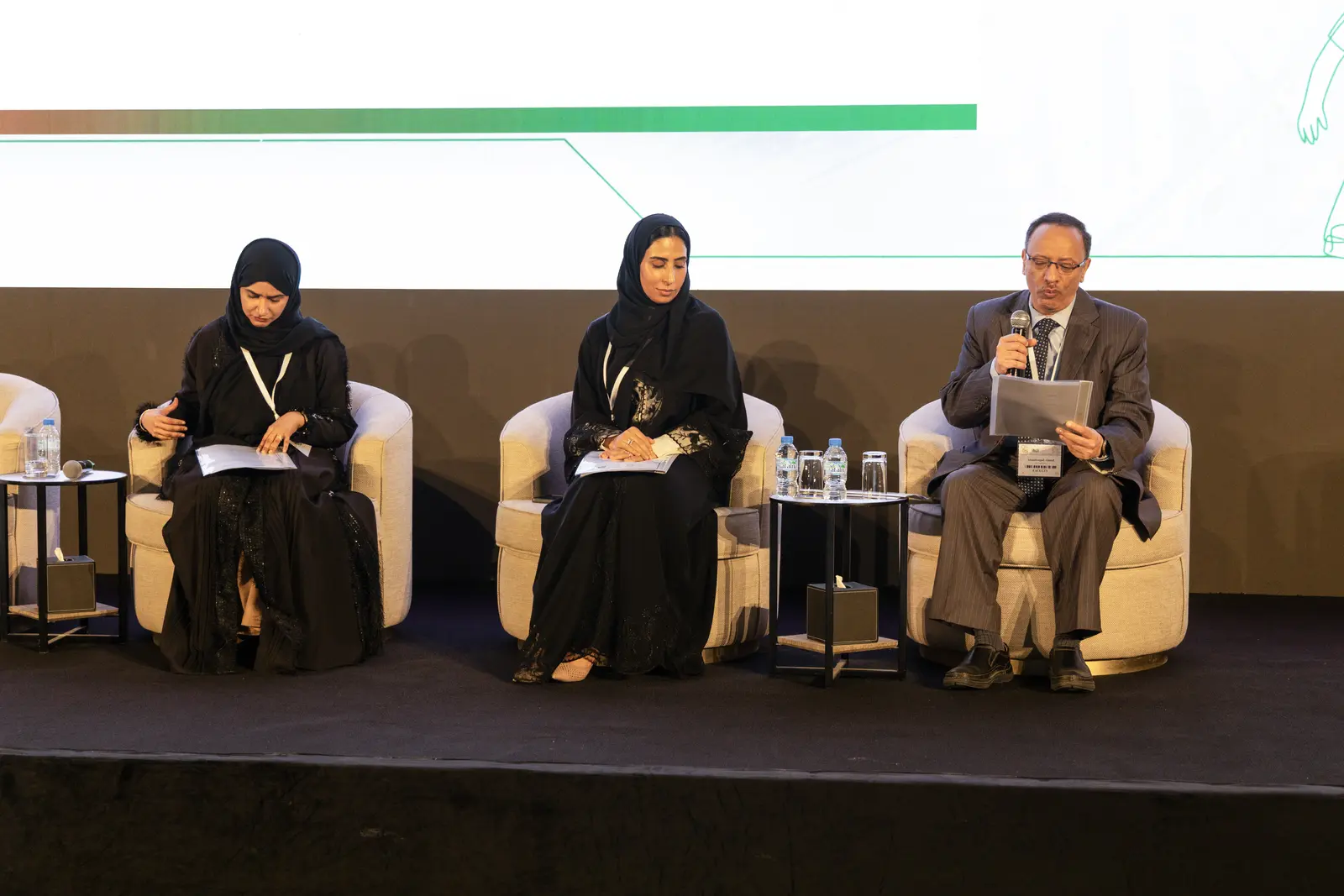
A press conference is a small event with a large audience. Fifty people may sit in the room, but the pictures and the quotes travel much further. That is why the setup matters. A poor backdrop, bad sound or a dark stage appears in every photograph and every clip.
This guide explains how to organise a press conference in Dubai. It covers when one is worth holding, the room, the stage and backdrop, what cameras and journalists need, a running order and a checklist. It deals with the event itself. Media relations is a separate job, and we explain where the line falls.
When is a press conference the right format?
A press conference asks journalists to give up half a day. It is worth it when:
- you have real news, such as a launch, a partnership, a major investment or a signing;
- senior people are present and willing to answer questions;
- there is something to see, film or try;
- several media want the story at the same time, and it is fair to give it to them together.
If the news is small, a press release, a media briefing for a few journalists or a set of one-to-one interviews will do the job better. If the news is a product, a launch event may suit it more. Our product launch event checklist covers that format.
Choose the room
- Location. Choose a place journalists can reach easily, with parking or a metro station nearby. Hotels, business centres and your own headquarters are common choices.
- Size. A room that is slightly too small looks busy on camera. A room that is far too big looks empty.
- Ceiling height. You need height for a backdrop and for lighting.
- Noise. Check for kitchen doors, air conditioning noise and events in the next room.
- A second room. A small room nearby is useful for speakers to prepare and for interviews afterwards.
- Internet. Journalists file from the room, so ask about the Wi-Fi. A live stream needs its own line.
The setup, piece by piece
| Element | What it needs to do |
|---|---|
| Backdrop | Show the brand clearly behind the speakers, in every photo and clip. A matt surface avoids glare |
| Stage or head table | Lift the speakers enough to be seen from the back row and by the cameras |
| Name cards and lectern | Tell viewers who is speaking. Add the logo to the lectern, because that is the close-up shot |
| Microphones | One for each speaker, a lectern microphone and two handheld microphones for questions |
| Sound feed for media | Give camera crews a direct feed from the sound desk, so that their recordings are clean |
| Lighting | Light faces evenly from the front. Ceiling lights alone leave shadows under the eyes |
| Camera platform | A raised platform at the back gives cameras a clear view over the audience |
| Screen | Show the film, the product or the key figures. Keep slides few and simple |
| Seating | Rows of chairs with a centre aisle, and reserved seats at the front for photographers |
| Registration desk | Sign in journalists, hand out press kits and note who wants an interview |
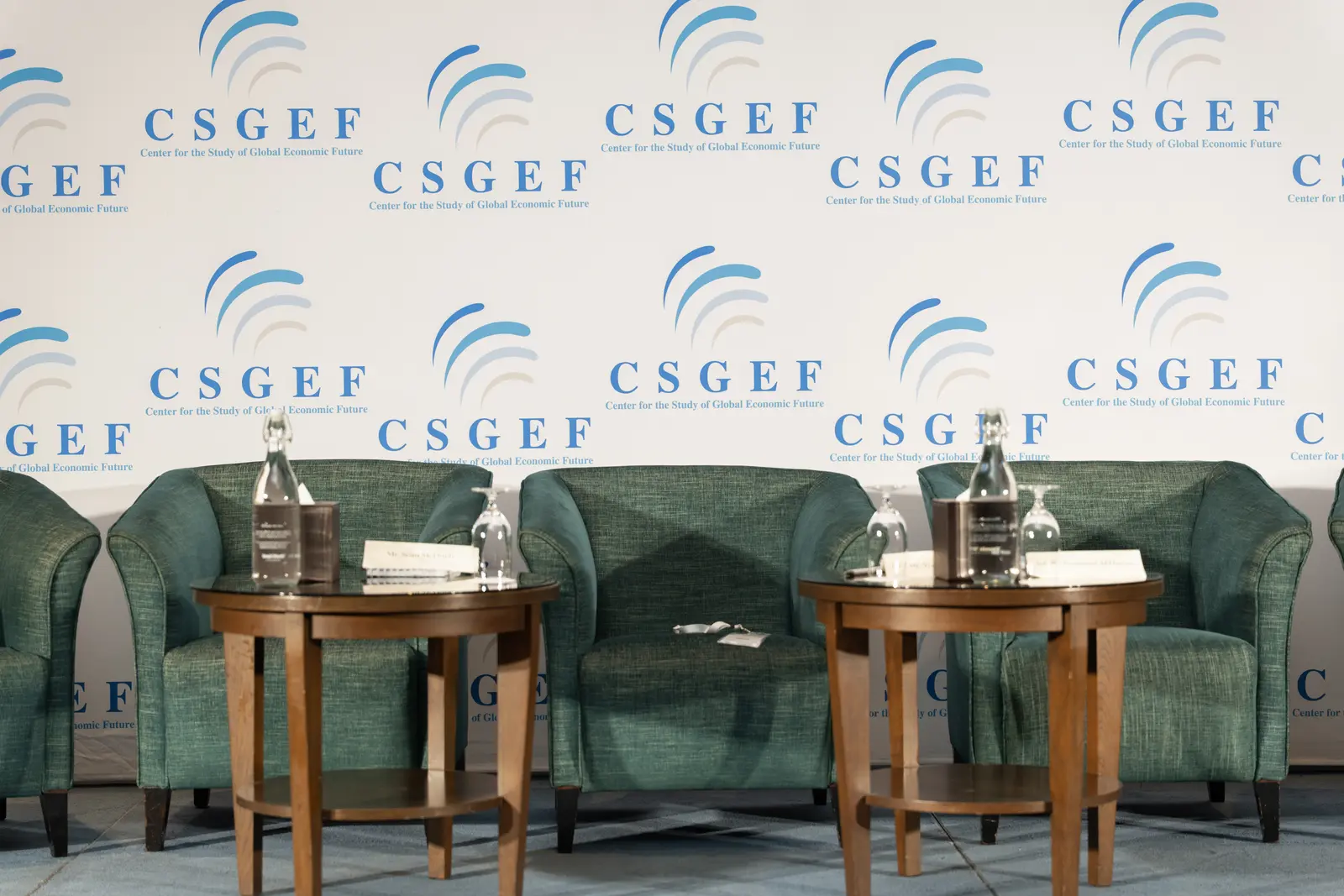
The same principles apply to any stage with speakers. Our conference stage and AV checklist goes deeper into microphones, screens and stage layout.
A sample running order
| Time | What happens |
|---|---|
| 10:00 am | Technical check and speaker rehearsal on stage |
| 10:30 am | Registration opens. Coffee and press kits |
| 11:00 am | Welcome from the host |
| 11:05 am | The announcement, with a short film or reveal |
| 11:15 am | Statements from two or three speakers, a few minutes each |
| 11:30 am | Questions from the media |
| 11:45 am | Group photograph and signing moment, if there is one |
| 11:50 am | One-to-one interviews in the second room |
| 12:30 pm | Close |
Late morning on a working day suits most media, because it leaves time to publish the same day. Avoid Friday midday and public holidays. In Ramadan, avoid the hours before sunset. Our event run of show template shows how to write the cue sheet for the crew.
Language, hosting and questions
- Arabic and English. Prepare the press release, the key facts and the speakers' names and titles in both languages.
- A host. A host keeps the time, introduces the speakers and manages the questions. This protects the speakers.
- Questions. Agree who answers which topics. Have staff ready with handheld microphones, so that every question is heard and recorded.
- Interpretation. If speakers and media do not share a language, plan interpretation in advance.
- Photographs. Plan the group photo: who stands where, and what is behind them.
Streaming and recording
Many journalists will not be in the room. A live stream lets regional and international media follow the announcement, and a recording gives your team clips for social media and the website. Both need cameras, a clean feed from the sound desk and a stable internet line. Record your own version even if broadcasters are present, so that you own the footage.
Who does what: PR and production
A press conference has two halves. Your communications team or PR agency owns the story. They write the release, invite the media, brief the speakers and follow up afterwards. The production team owns the room. They build the stage and backdrop, run the sound, lighting, screens and cameras, and call the show.
The two teams should meet early. The PR team knows how many crews are coming and what they need. The production team can then plan the camera platform, the sound feed and the interview room.
Press conference checklist
- Confirm that the news deserves a press conference.
- Fix the date and time around media deadlines and the calendar.
- Book a room with easy access, enough height and a second room nearby.
- Design the backdrop and check it on camera.
- Plan a microphone for every speaker and two for questions.
- Arrange a sound feed and a platform for camera crews.
- Prepare press kits in Arabic and English.
- Rehearse the speakers on stage before the doors open.
- Plan the group photo and the interview schedule.
- Record the event, and stream it if media cannot attend.
How Zarak Events can help
We produce conferences, launches and corporate events across the UAE. For a press conference, we handle the production: the room layout, stage and backdrop, sound, lighting, screens, cameras, live streaming and show control on the day. Media relations and invitations stay with your communications team or PR agency. We do not offer standalone equipment rental.
See our event production and product launch event management pages. If you have an announcement coming, send us an enquiry with the date, the venue if you have one and the number of speakers.
No comments yet.