
Most product launches in Dubai are not lost on the night. They are lost five weeks earlier, when the venue was confirmed before anyone asked about permits, when the stage grew after the drawings were submitted, or when nobody owned the guest list. By launch week the problems are visible, but the decisions that caused them are too late to change.
This checklist is the order we work in when a client brings us a launch date. It runs from eight weeks out to the week after opening, and it applies whether you are revealing a product to invited partners, opening a restaurant to the public or launching a property project. Adjust the timings to your own scope: a small invited reveal in a hotel venue can move faster, and a public outdoor programme with a temporary stage usually needs more time, not less.
Before the clock starts: three decisions
Write each of these down in one sentence before you brief anyone. Together they decide the format, the budget and the timeline, and every later choice is easier once they are settled.
- What is launching, and what should change because of it. More bookings, dealer orders, enquiries, footfall or coverage. A launch without a stated outcome becomes a party with a logo on the backdrop.
- Who has to be there. Invited partners, media, customers, the public, or a mix of them. The audience decides whether the launch is a private event or a public one, and that in turn decides the permit route.
- What you want people to do next. Order, book, visit, share or come back. The answer shapes the programme, the content plan and how you will measure the result.
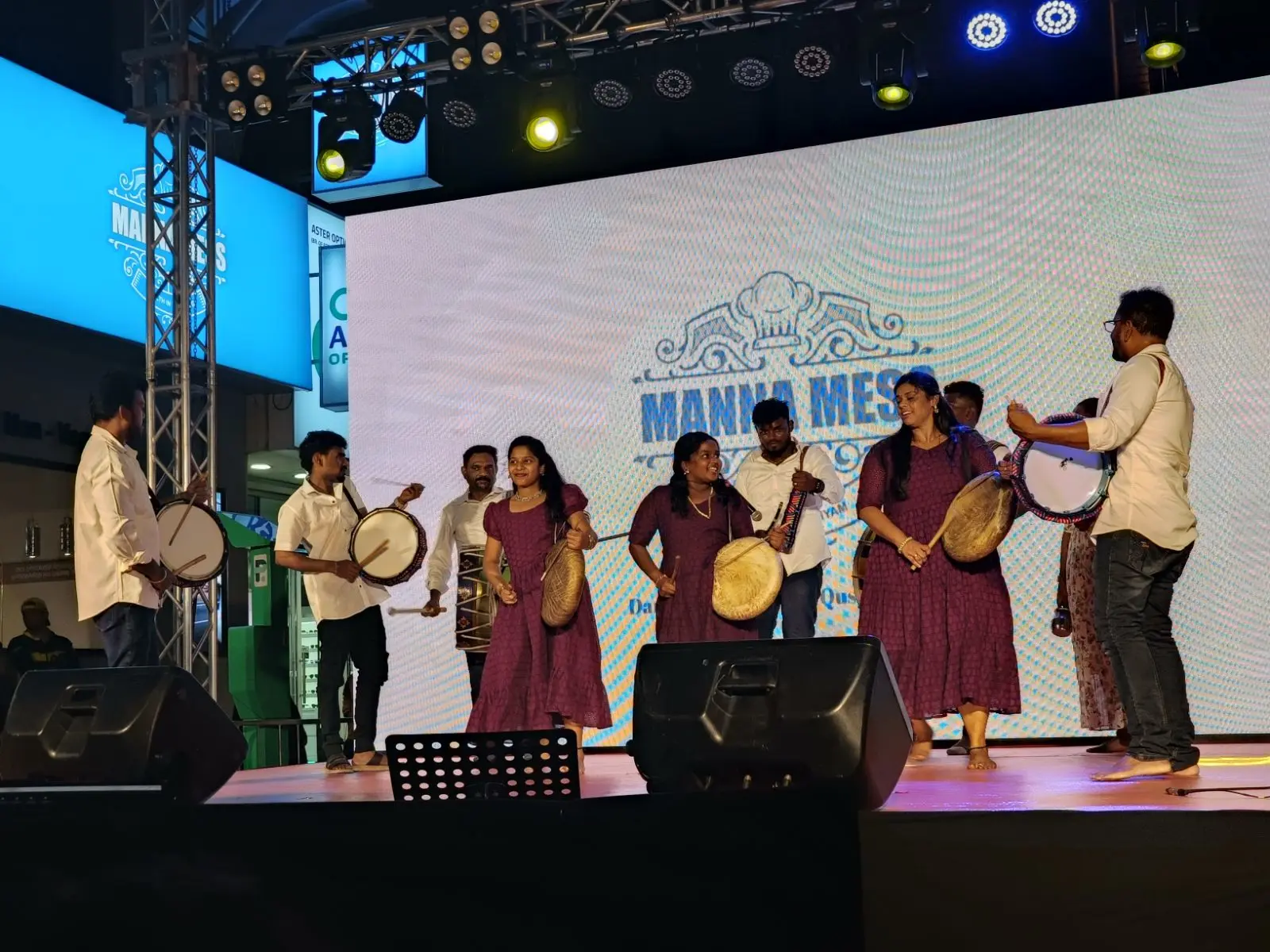
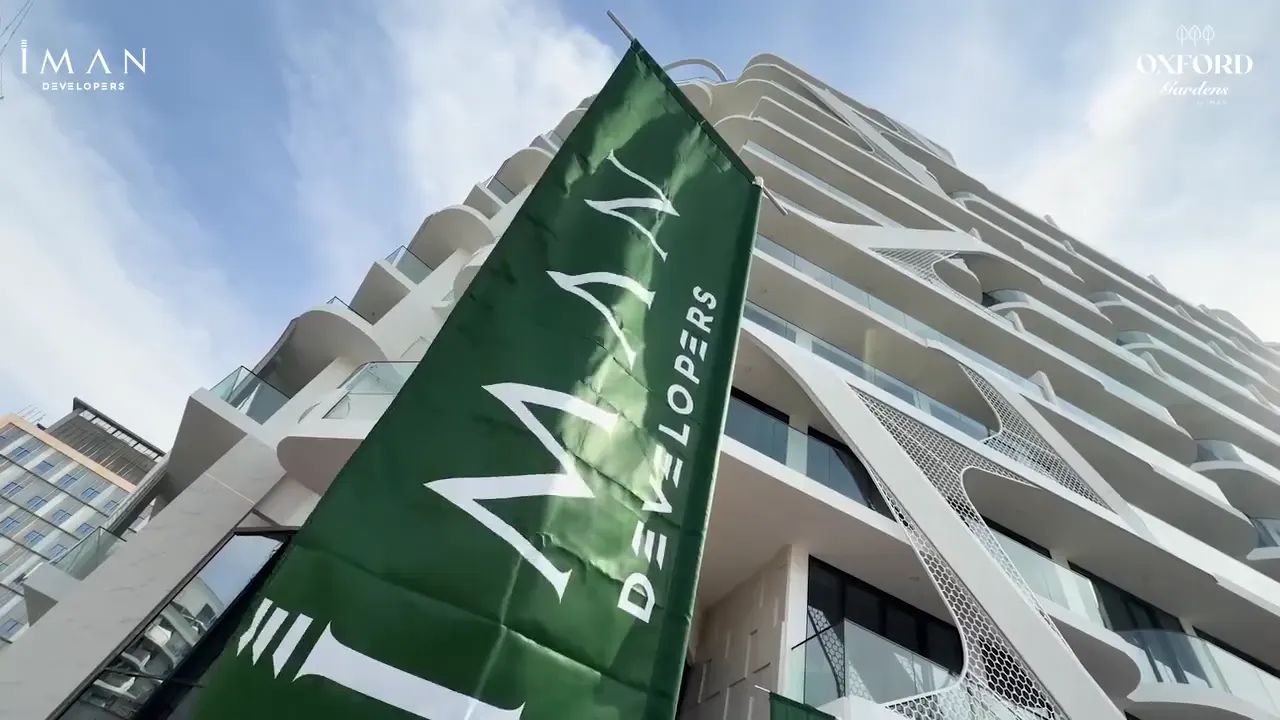
The format follows from those answers. An invited reveal for partners is planned very differently from an opening that has to draw the public in, and some launches need both on the same day. Our work includes a project launch for Iman Developers and a restaurant opening that ran as two acts, each built around a different audience.
Eight weeks out: format, budget and site
This is where the cost and the approvals are set, so most of the important decisions sit here. It is also the point at which a change of mind is still cheap.
- Confirm the date, and check it against public holidays, Ramadan and other large events in the city that week.
- Choose the format: an invited reveal, a public programme, or both on the same day.
- Set a working budget range. Our calculator gives an indicative planning range of AED 52,500 to 71,000 for a 200-guest product or restaurant launch in Dubai at the Standard production level, with venue and catering kept separate and 5% VAT excluded. What an event costs in Dubai explains what moves that number.
- Shortlist the venue or site, and ask who issues the permit for that location and whether a master developer NOC is needed.
- Write the brief. How to brief an event production company covers the eight things a production team needs from you.
- Appoint the agency or production company, and agree in writing who owns permits, suppliers, promotion and the guest list.
One decision at this stage moves the budget more than almost any other: whether venue and catering sit inside the agency's scope or are contracted by you directly. Two quotes for the same launch can look very different for that reason alone, so say which you want in the brief.
Six weeks out: site, layout and approvals
Once the site is confirmed, the layout and the permit plan can start. Launches are more likely than most corporate events to need approvals, because they are often promoted, held outdoors or built around a temporary stage.
- Confirm the jurisdiction and the issuing authority for the site.
- Request the NOCs from the master developer or landlord as soon as the layout allows. They usually have to be in hand before the permit application can be completed.
- Draw the layout for the real site: stage, seating, food areas, power, toilets, entrances and exits.
- Start the emergency and evacuation plan from that layout and the expected attendance.
- List every piece of outdoor signage, every banner and every flag, because outdoor advertising is permitted separately.
Our guide to event permits in Dubai explains which authority covers which areas, what documents an application needs and how to build a permit timeline that protects your date. Read it before you announce anything publicly.
Four weeks out: lock the production design
Four weeks out is the last comfortable point to freeze the stage, the screens and the structures. After this, every change has a cost in time, money or approvals, and usually in all three.
- Sign off the stage design, LED screen sizes, lighting and truss.
- If there are temporary structures, confirm that the structural drawings and calculations match what will actually be built.
- Fix the reveal: a curtain drop, a screen moment, a lighting cue, a drive-in, or a product on a plinth. Then decide what happens if it fails.
- Book entertainment and performers, and confirm their technical and staging needs.
- Agree the content plan: photography, film and reels, who signs off what, and how quickly.
A stage that grows late is the most common reason launch paperwork has to be redone. It is also the strongest argument for having permits and production handled by the same team, so the drawings and the build never drift apart. Our event production team plans staging, LED, sound, lighting and truss as one system for exactly that reason.
The launch timeline at a glance
| When | What must be settled | Why it matters |
|---|---|---|
| Eight weeks out | Date, format, budget range, site shortlist, brief, agency | Sets the cost and the permit route |
| Six weeks out | Site, layout, NOCs, emergency plan, signage list | Approvals depend on these documents |
| Four weeks out | Stage, screens, structures, reveal, entertainment, content plan | Late changes force redrawn packages |
| Two weeks out | Guest list, invitations, promotion, run of show, suppliers | The audience is built here |
| Launch week | Build, technical tests, rehearsal, final run of show, briefings | Problems found now are still fixable |
| Launch day | Arrival, reveal, programme, operations, content capture | One plan and one show caller |
| The week after | Content release, follow-up, results review | Turns attention into demand |
Two weeks out: audience, promotion and the run of show
A launch is only as good as the audience in front of it. Two weeks out, the attention moves from the build to the people who will fill it.
- Close the guest list for any invited part, and send reminders with arrival times, parking and dress code.
- Start promotion for any public element. For the Manna Mess restaurant launch, more than 2,000 flyers were distributed before the opening, so the public evening had an audience waiting for it.
- Write the first full run of show, minute by minute, with every cue named: walk-in music, welcome, speeches, the reveal, entertainment and photo moments.
- Confirm suppliers, delivery slots, access passes and the site contact for each one.
- Brief the photographer and film crew on the shots that matter: the reveal, the key guests, the crowd and the product in use.
Launch week: build, test, rehearse
Launch week is for proving the plan, not for writing it. If something is still undecided by now, decide it on the first morning and tell everyone.
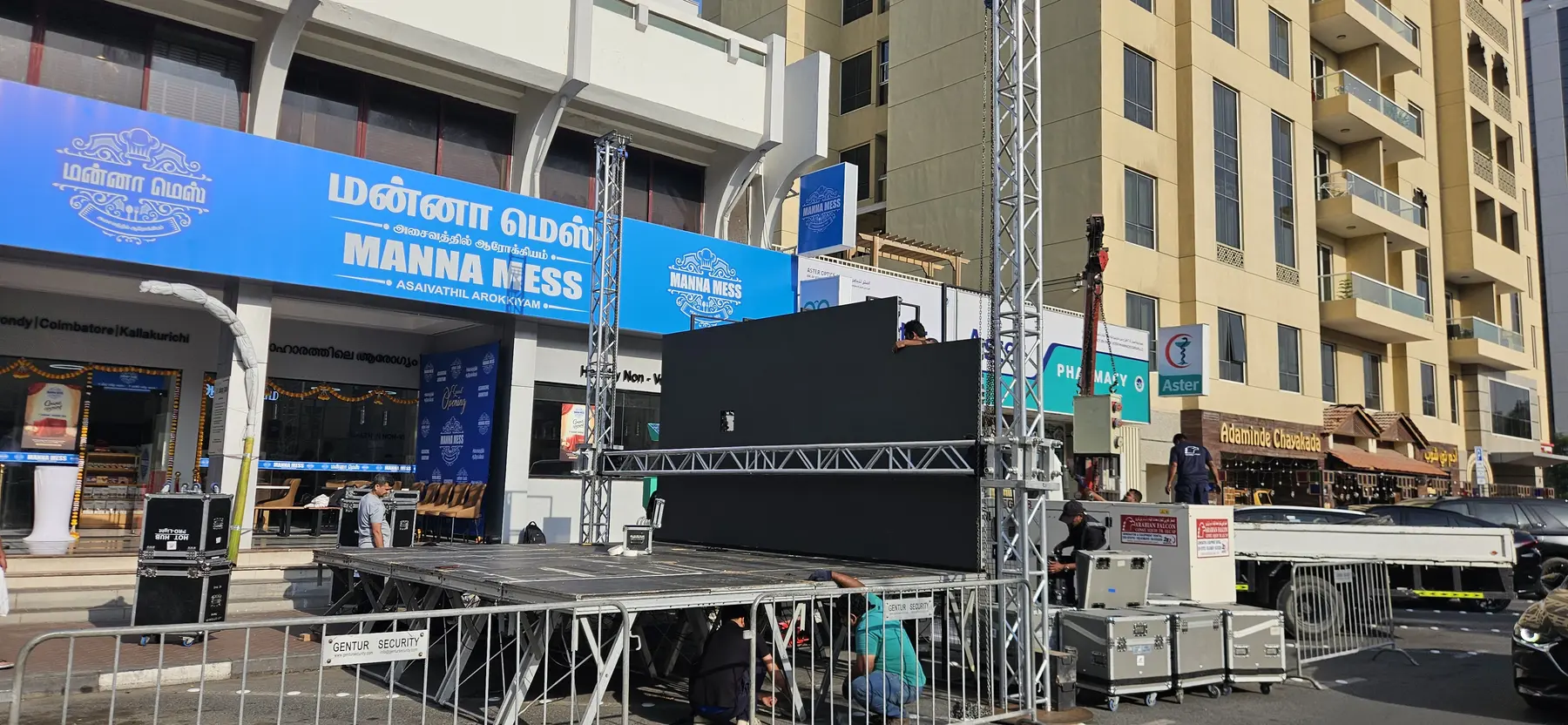
- Build and install to the approved layout, with copies of permits and NOCs kept on site.
- Test every screen, microphone, playback file and lighting cue in the venue, not in the office.
- Rehearse the reveal with the people who will be on stage, at show volume and under show lighting.
- Walk the site as a guest would: arrival, registration, seating, toilets, exits and the route to the product.
- Brief security, hosts and front-of-house on the run of show and the guest list.
- Agree who calls the show and who can change it on the day. It should be one person.
If a speech runs long in rehearsal, it will run longer on the day. Cut it now, while the speaker can still be persuaded.
Launch day: one plan, one show caller
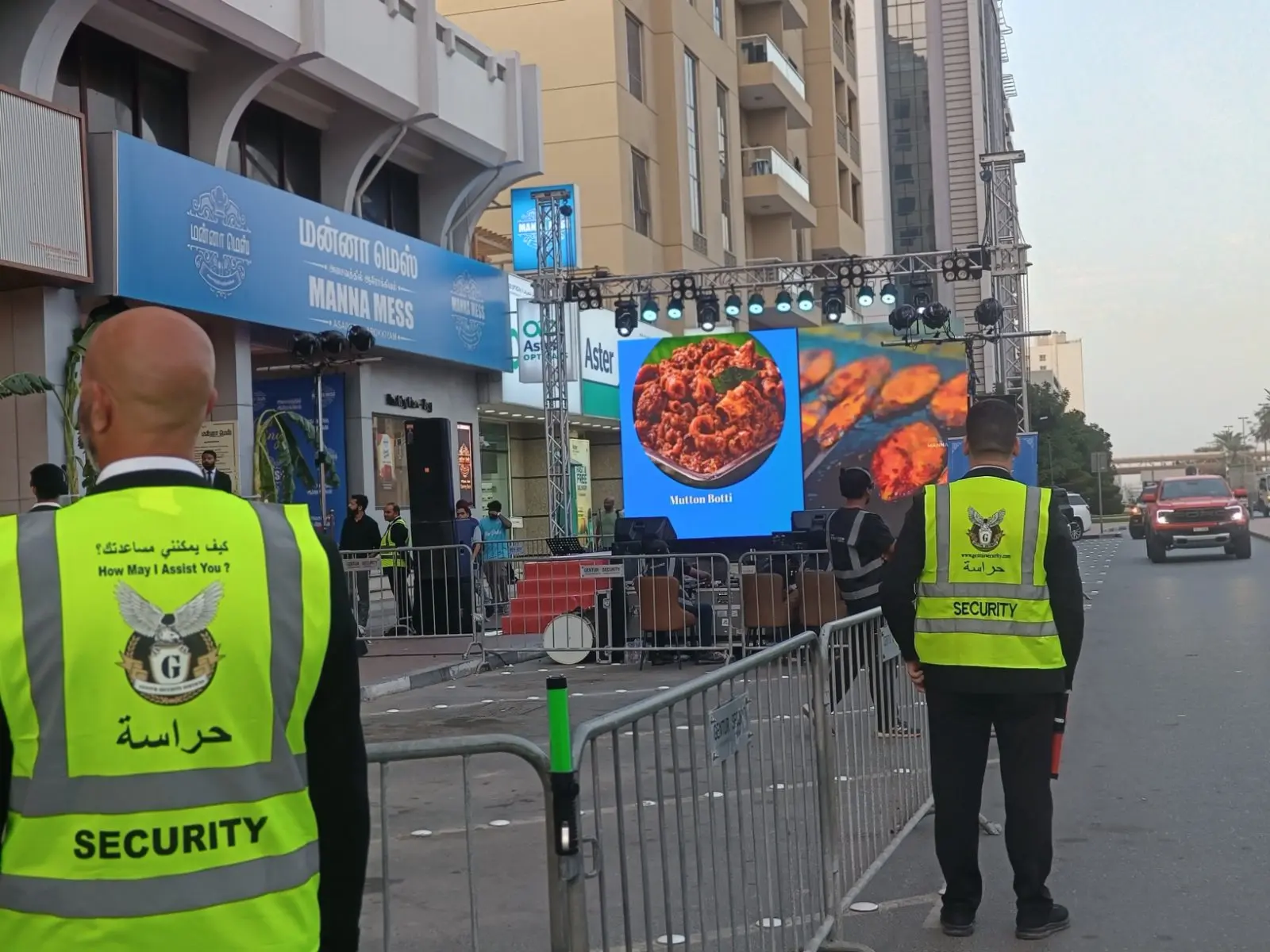
On the day, the work is to keep the plan intact while things change around it. A launch that runs in two parts, an invited ceremony and a public programme, also needs a clear changeover between them. At Manna Mess, a morning inauguration for invited guests, stakeholders and the local community was followed by an evening Tamil cultural roadshow, with stage, LED, sound, lighting, seating, security and guest flow managed across both acts.
- Run a final technical check before doors open, with enough time to fix what fails.
- Staff arrival and registration for the peak, not the average.
- Deliver the reveal on cue, and capture it from more than one angle.
- Capture content through the day, and reserve a selected set for same-day release.
- Monitor security and guest flow throughout, including the dismantle.
The week after: turn attention into demand
Launch day creates attention. The week after decides whether that attention becomes demand, and it is the part of the plan most often left blank.
- Release the event content while the launch is still being talked about: a short film, reels and photography for partners and press.
- Follow up with every guest who matters commercially, using the next step you defined at the start.
- Review the results against the outcome you set eight weeks out, not against how the night felt.
- Collect the lessons for the next launch while the team still remembers them.
At Manna Mess, the restaurant sold out for three weeks after opening and the momentum continued for seven weeks. That is the measure of a launch that worked: not the size of the crowd on the day, but what happened after the stage came down.
Common launch mistakes
- Confirming the venue before asking about permits and NOCs.
- Letting the stage grow after the structural drawings have been submitted.
- Treating promotion as the client's job and the event as the agency's, with nobody joining the two up.
- Rehearsing the speeches but not the reveal.
- Planning content for the day and nothing for the week after.
- Measuring success by the guest count rather than by the outcome.
Where to start
If your launch date is fixed, start with the three decisions at the top of this page and the budget range for your format. Our product launch event management page sets out what we deliver, and our work includes restaurant and property project launches in Dubai. If you would like us to look at your date and your format, tell us about it. The budget calculator on the same page will give you an indicative range for your own numbers in about a minute.
No comments yet.