
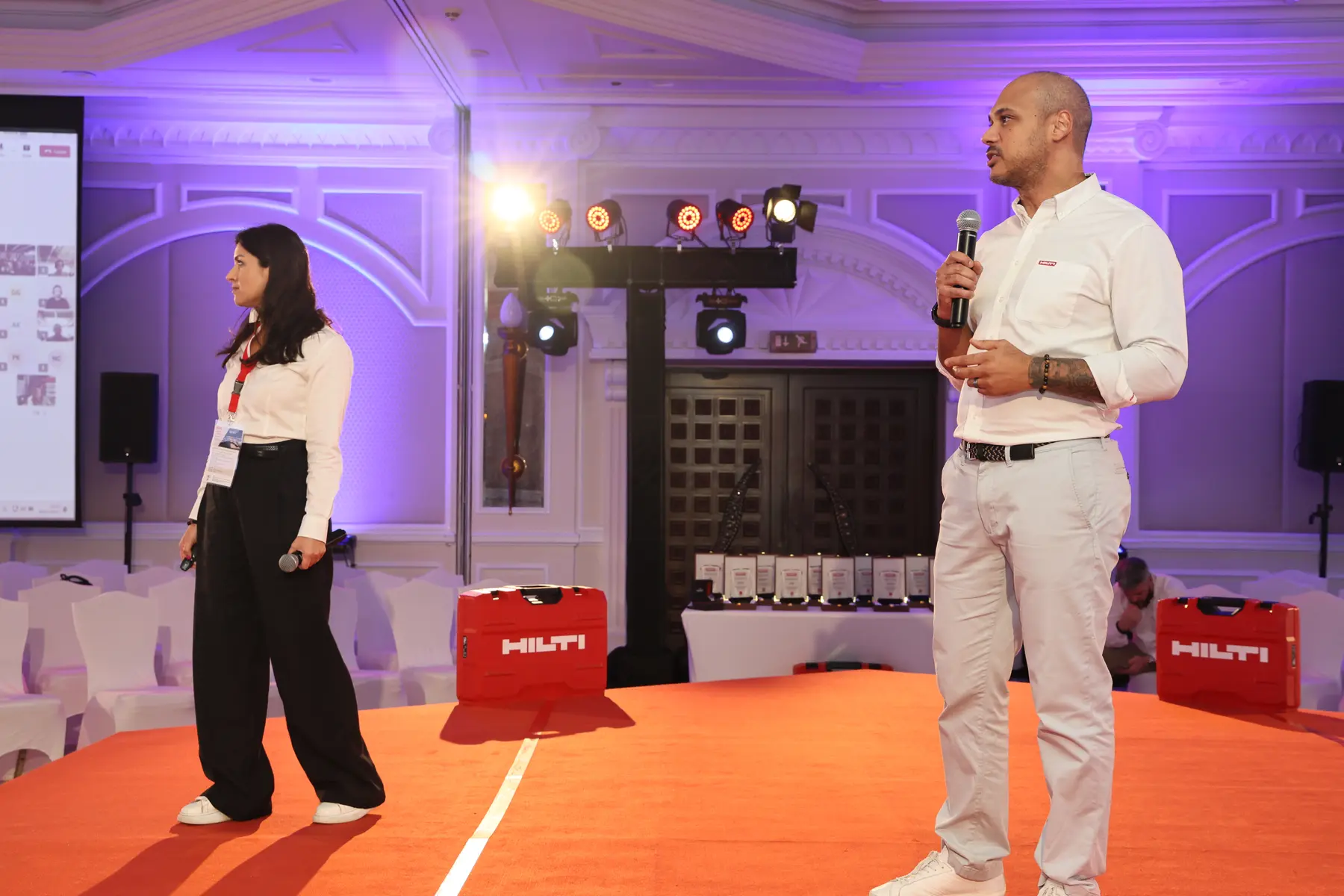
Most production quotes are impossible to compare. Not because suppliers are hiding anything, but because each one has guessed differently at what you actually want. A brief that removes the guesswork gets you three quotes for the same event instead of three quotes for three different events.
Here is what a production company needs from you, and why each item changes the number at the bottom.
1. The outcome, not the shopping list
"We need a stage, two screens and a sound system" tells a supplier what to price. It does not tell them whether the event will work. "We are announcing a new regional structure to 200 staff, and we need the announcement moment to land" tells them what the stage is for — and lets them tell you when your shopping list is wrong.
Lead with the outcome. The equipment list is the answer, not the question.
2. Audience number, and the shape they sit in
Two hundred people seated in rows, two hundred at round tables, and two hundred standing are three different rooms. Rounds eat floor area and push the stage back. Standing changes sightlines and sound coverage. Rows are the most efficient and the least social.
Give the number and the format together. If you do not know the format yet, say so — that is useful information too.
3. Whether the venue is confirmed
A confirmed venue means a supplier can price against real ceiling heights, real power and a real load-in. An unconfirmed venue means they price against assumptions and add margin for the risk. If you are still shortlisting, say which venues are on the list; a good production company will tell you which one will cost you less to build in.
4. The run of show, even in rough form
You do not need a scripted minute-by-minute. You need the shape: doors at this time, welcome, two speakers, a film, an award moment, dinner, close. Every item in that list has a technical consequence. An award moment needs a way on and off stage. A film needs playback and sound that is not a presentation laptop. Dinner needs the lighting to change.

5. Who is providing content, and in what state
Slides, films, logo animations, walk-on music, lower thirds. Say what exists, what is being made, and who is making it. The most common cause of a bad rehearsal is content arriving on the day in a format nobody tested.
Agree a content deadline in the brief itself. It is the single cheapest thing you can do to protect the event.
6. The constraints you already know about
Every organisation has them. A sponsor logo that must appear at a certain size. A CEO who will not use a handheld microphone. A guest who arrives late and must still be introduced. A brand guideline that rules out coloured lighting on the logo. None of these are problems if they are in the brief. All of them are problems if they surface at rehearsal.
7. A budget range
This is the item clients most often withhold, and the one that costs them most. Without a range, a supplier has to guess at your ambition. Guess high and you think they are expensive. Guess low and you think they lack imagination.
A range does not weaken your position. It focuses the proposal on what is achievable and moves the conversation to what you get for the money.
8. How the decision gets made, and by when
Who signs off. How many rounds of review. When you need to be in the venue. Production has a lead time that is not negotiable — fabrication, freight, crew booking and venue access all sit on a chain. A supplier who knows your decision date can tell you honestly whether the date is still reachable.
What you should get back
A proposal worth comparing will show you: an approach to the outcome you described, a technical scope you can read without being technical, a crew and schedule, and a cost breakdown with the assumptions written down. If assumptions are missing, ask for them. That is where the variance between quotes actually lives.
The three briefs that cause the most trouble
- The equipment list with no context. You get exactly what you asked for, including the parts that were wrong.
- The brief with no budget and no date. Every supplier answers a different question, and none of the answers compare.
- The brief that arrives as a forwarded email chain. Decisions are buried in replies, and the version everyone works from is not the same version.
Half a page of structure beats ten pages of thread.
If you are putting a brief together now, our event production and corporate event management pages set out the scope we typically cover, which may help you decide what belongs in yours.
No comments yet.