

An annual general meeting or a company town hall is smaller than a conference, but there is less room for error. Shareholders must be able to follow each item of business. Employees must be able to hear their leaders and ask questions. This checklist covers how to plan the room, the sound, the screens and the running order for an AGM or a town hall in Dubai.
It covers the event side only. Your company secretary and legal advisers set the meeting procedure, including notice, quorum and voting rules. Plan the event around their requirements, not the other way round.
AGM or town hall: what is the difference?
An AGM is a formal meeting of a company's shareholders. It follows rules set by company law and the company's own articles. The chair leads the meeting through set items of business, and shareholders may vote.
A town hall is an internal meeting. Leaders share news, results or plans with employees and answer their questions. It has no legal procedure, but it often brings a whole company into one room, so it needs careful planning for sound and sightlines.
Both need a clear stage, sound that reaches every seat, readable screens and a running order. The rest of this checklist applies to both, with notes where they differ.
Step 1: Start with the procedure and the brief
Before you book anything, meet the company secretary or the internal communications lead. Agree:
- the date, the start time and the expected length
- the agenda and each item of business
- who attends: shareholders, proxies, the board, auditors, employees or guests
- whether anyone joins remotely, and how
- how questions are asked and answered
- whether there are votes, and how they are taken and counted
- what must be recorded or kept for the minutes
For an AGM, the procedure is not an event decision. It comes from your advisers. Ask them for it in writing, and plan the registration, seating and running order around it.
Step 2: Choose the room
Pick a room that fits the number of people with space to spare. A room that is too small feels cramped. A room that is far too big feels empty.
Check:
- Can everyone see the stage and the screens from their seat?
- Is there space for a registration desk outside the room?
- Is there a quiet room for the board or leaders before the meeting?
- Is the room easy to reach for guests with limited mobility?
- Can the room be built and tested before people arrive?
Some AGMs are held at the company's own offices. Others use a hotel or a conference venue. Our guide to the venue questions that decide your event budget lists what to check in a venue contract.
Step 3: Plan the stage
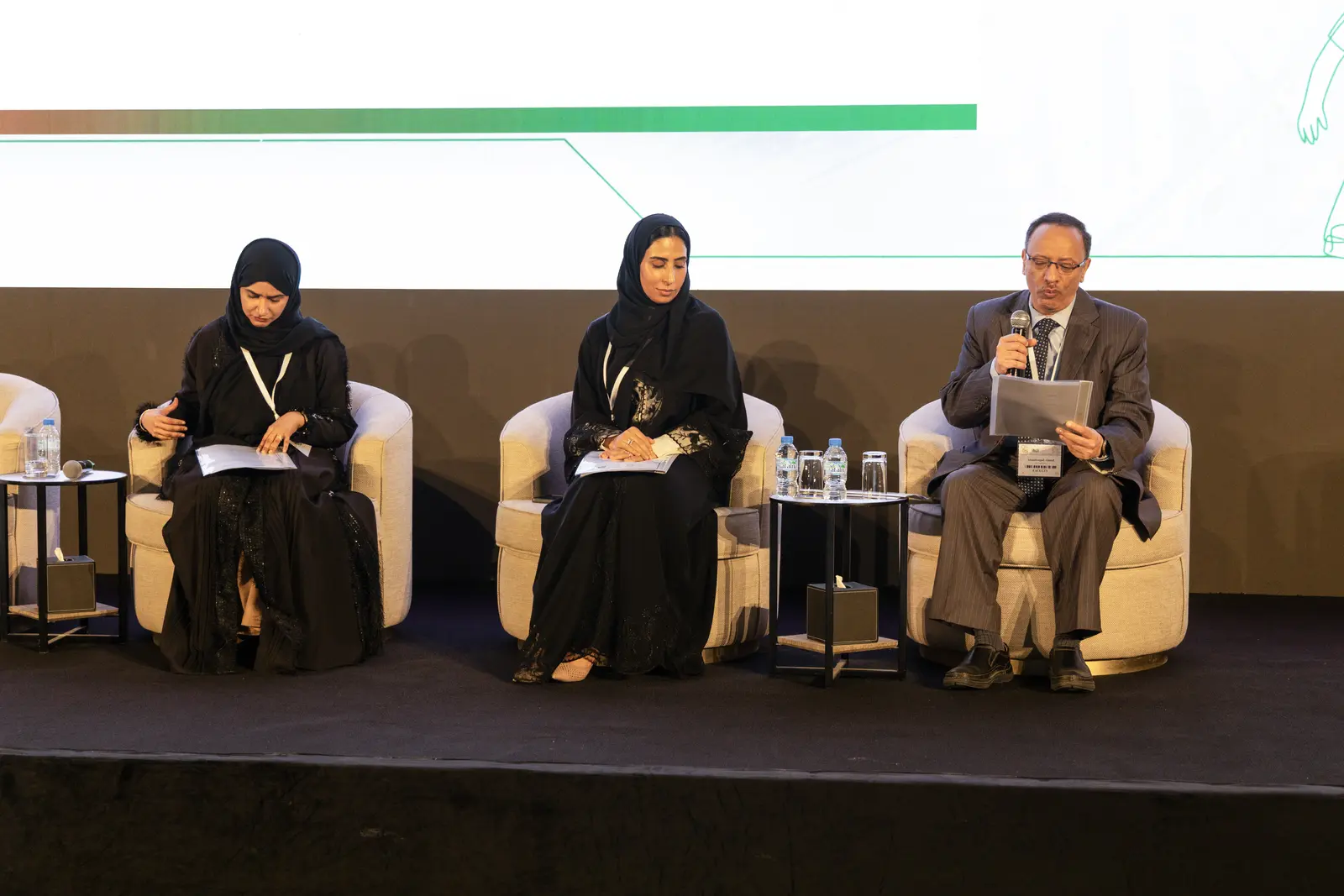
For an AGM, the stage usually seats the chair, the board and sometimes the auditors behind a table. Each person needs a name card and a microphone. The chair needs a clear view of the room and of anyone asking a question.
For a town hall, the stage is often more open. Leaders may present from a lectern or move around. A short panel may answer questions together.
In both cases, keep the stage simple and branded. Add a confidence monitor so speakers can see their slides without turning round. Our guide to corporate event stage design covers stage options in more detail.
Step 4: Get the sound right
Sound is the most important part of an AGM or town hall. If people cannot hear, the meeting fails.
- Give every person on stage their own microphone.
- Place floor microphones in the aisles for questions, or use roaming handheld microphones with runners.
- Make sure people at the back hear as clearly as people at the front.
- Have a sound engineer in the room for the whole meeting.
- Keep spare microphones and batteries ready.
If the meeting is recorded or streamed, the questions from the floor must also reach the recording. A question that nobody online can hear causes confusion.
Step 5: Make the agenda visible
Screens help people follow the meeting. For an AGM, show the current item of business on screen, so everyone knows what is being discussed. For a town hall, show the speaker's slides and the topic.
Prepare every slide in advance. Check that text is large enough to read from the back of the room. Test all content on the real screens before the meeting starts.
Step 6: Registration and seating
For an AGM, registration often checks people against the shareholder or proxy list. Ask your company secretary what must be checked and recorded. Staff the desk with people who understand the process, and keep a way to handle anyone not on the list.
For a town hall, registration is usually simpler. A badge or a quick check-in is enough.
Plan the seating too. Reserve seats for the board, auditors or guests if needed. Keep aisles clear for the question microphones and the runners.
Step 7: Write the running order
The running order is the minute-by-minute plan for the meeting. It lists:
- when doors open and when the meeting starts
- each item of business or topic, and who speaks
- when slides or videos play
- when questions are taken, and how many
- when any votes take place
- when the meeting closes
The chair, the speakers and the crew should all work from the same version. Our run of show template shows how to lay one out.
Step 8: Plan questions and votes
Questions and votes are where meetings most often run over or go wrong. Plan them carefully.
For questions, decide how people show they want to speak, who chooses the next question and how long each one can take. Brief the microphone runners. If remote attendees can ask questions, decide who reads them out.
For votes, follow the method your advisers set. If it is a show of hands, make sure the chair can see the whole room. If voting is electronic, test the system with the real number of people. Build the time for each vote into the running order.
Step 9: Remote and hybrid attendance
Many AGMs and town halls now include people who join online. If you plan a hybrid meeting:
- Check with your advisers that remote attendance fits the procedure.
- Use a reliable, wired internet connection for the stream.
- Place cameras so remote viewers see the speaker and the screens.
- Give remote attendees a clear way to ask questions.
- Have a technician watching the stream for the whole meeting.
Step 10: Rehearse
Hold a rehearsal on the day before, or early on the day. Walk the chair and speakers through the stage, the microphones and the confidence monitor. Run a sample question from the floor. If there is a vote, rehearse it.
Rehearsals find the small problems: a slide in the wrong order, a microphone that feeds back, a step that is hard to see. Fixing them before people arrive keeps the meeting calm.
AGM and town hall checklist
- Procedure and agenda agreed with the company secretary
- Room booked with space for registration and a green room
- Stage set for the chair, board or speakers, with name cards
- A microphone for every speaker, plus floor or roaming microphones
- Sound engineer in the room
- Screens showing the current item or topic, tested from the back
- Registration process agreed and staffed
- Seating plan with clear aisles
- Running order shared with the chair, speakers and crew
- Question and voting process planned and rehearsed
- Stream and remote questions tested, if hybrid
- Recording planned, if needed for the minutes
Planning your AGM or town hall
A good AGM or town hall feels simple: everyone can see, hear and take part. That simplicity comes from a clear procedure, good sound and a running order that everyone follows.
For a larger event with several sessions, see our guide on how to plan a conference in Dubai. For help with the room, the stage, the sound and the running order, see our conference and AGM event management in Dubai, or send us your brief.
No comments yet.